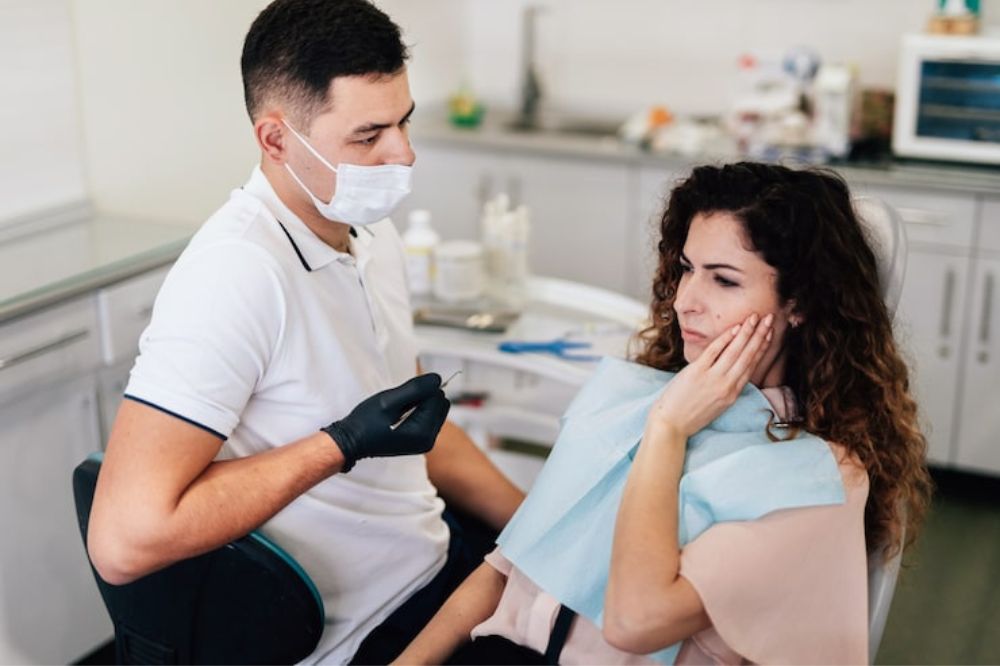
A dental emergency can happen fast, like a tooth breaking during a game or a sharp pain that wakes you up at night. While you might feel like panicking or trying a quick fix at home, these moves often cause more damage.
Knowing what not to do is just as important as knowing how to help. Many people make things worse by waiting too long or using the wrong tools to stop the pain.
By staying calm and avoiding a few common slips, you can protect your mouth and get back to feeling normal much faster.
Why You Should Never Ignore A Bad Toothache
One of the biggest mistakes people make is hoping that a toothache will go away on its own. Pain is your body’s way of saying something is wrong, like an infection or a deep crack.
If you do not find a professional team for emergency dentistry in Frankfort to fix the real problem, a small ache can turn into a huge infection.
Ignoring the pain can lead to an abscess, which is a pocket of pus that can spread germs to other parts of your body. Always take pain seriously and get help before it gets much worse.
Avoiding Dangerous “At-Home” Tooth Repairs
When a cap falls off or a tooth chips, it is tempting to use stuff from around the house to fix it.
However, using household glue or tools in your mouth is very dangerous and can ruin your teeth and gums forever.
- No Superglue: Home glues have toxic chemicals that should never be swallowed or put on your gums.
- Avoid Sharp Tools: Trying to scrape at a tooth or push it back into place with metal can cause deep cuts.
- Skip Home Fillings: Kits from the store are only meant to last a very short time and are not a real fix.
- Don’t Pull Teeth: Never try to pull a loose tooth yourself, as this can break the root and cause a bad infection.
The Danger Of Putting Aspirin On Your Gums
There is an old myth that putting an aspirin pill right against a hurting tooth will make it feel better faster. This is actually a big mistake that can cause a chemical burn on your soft gums.
Aspirin is an acid, and when it sits in your mouth, it eats away at the skin and leaves a painful white sore.
Instead of putting it on the tooth, you should swallow the medicine or find an emergency dentistry near you to get a safe numbing treatment that won’t hurt your mouth.
Mistakes to Avoid in Common Emergencies
|
Type of Emergency |
Common Mistake |
Better Way to Help |
|
Knocked-Out Tooth |
Scrubbing the root clean |
Rinse gently and put in milk |
|
Sharp Toothache |
Waiting for it to stop |
Use a cold pack and get help |
|
Broken Cap |
Using superglue to fix it |
Use a tiny bit of toothpaste |
|
Lost Filling |
Filling the hole with food |
Rinse with salt water |
|
Bleeding Gums |
Ignoring it after an injury |
Press down with clean gauze |
How To Handle A Knocked-Out Tooth Correctly?
If a tooth is knocked all the way out, you have to act very fast. A common error is picking the tooth up by the root or scrubbing it with soap. This kills the tiny living parts that help the tooth stick back into your jaw.
Instead, you should find a dentist in Frankfort who can try to put the tooth back in within one hour.
Hold the tooth only by the top part (the part you chew with) and keep it wet in a small cup of milk or your own spit until you get to the office.
Why The ER Isn’t Always The Best First Stop?
Many people go straight to the hospital when they have a tooth crisis. While the hospital is great for broken bones, most ERs do not have a tooth expert on staff.
They might give you medicine for pain, but they cannot fix a broken tooth or do a root canal. It is usually much faster to find a dentist near you who has the right tools for mouth surgery.
This saves you from waiting a long time at the hospital and gets your actual tooth problem fixed much sooner.
Common Mistakes While You Are Healing
Even after you get help, what you do at home matters for how well you heal. Many people make the mistake of going back to their normal habits too fast.
- Using Straws: The sucking move can pull out a blood clot after a tooth is pulled, which causes a lot of pain.
- Smoking: Smoke slows down your body’s healing and makes it easier to get an infection.
- Hard Foods: Eating crunchy or sticky snacks can break a new filling or hurt a sensitive spot.
- Rough Rinsing: Spitting or swishing too hard can mess up the healing in the first 24 hours.
Finding Expert Help In Your Neighborhood
When you are in pain, you don’t want to drive a long way. Having a Dentist near you that takes walk-ins or urgent visits is the best way to get relief before the day ends. Most offices keep a few spots open just for people who are hurting.
Calling ahead lets the team get a room ready for you so that you can get in and out as fast as possible.
They can take X-rays to see exactly why you are in pain and stop the problem at the source.
Keeping Your Smile Safe During a Crisis
Acting fast and avoiding simple mistakes can be the difference between saving and losing a tooth.
While accidents are scary, staying calm and following the right steps will help you get through it with less stress. Your teeth are an important part of your health, and they need expert care when things go wrong.
By picking the right team and avoiding dangerous home fixes, you make sure your smile stays healthy for a long time. At Snow Family Dental, we are here to give you the fast and gentle care you need when things get tough.
Are you in sudden pain or have you had an accident that needs help right now? Contact Snow Family Dental today to get the expert help you need to feel better fast!
📍 Find us easily on the Google map and plan your visit today!
Frequently Asked Questions
Should I put ice right on a toothache?
No, putting ice right on a sensitive tooth can cause a sharp shock of pain; hold a cold pack on the outside of your cheek instead.
Can I use a needle to pop a gum bump?
You should never try to pop a bump on your gums because this can push the infection deeper into your jawbone.
Is it okay to drink hot coffee after a tooth breaks?
It is best to avoid very hot or cold drinks because a broken tooth has nerves that will hurt when they touch extreme temperatures.
How do I know if it is a real emergency?
If you have bleeding that won’t stop, a loose tooth, or pain that keeps you from sleeping, you should get help right away.