
Have you broken a tooth and are not sure what to do? A broken tooth can happen while eating, playing sports, or after an accident. Taking care of it quickly can help reduce pain and prevent the damage from getting worse. Getting broken tooth treatment in Frankfort as soon as possible is important, as even a small crack can grow and lead to more serious dental problems.
The first few minutes after breaking a tooth can make a difference in protecting the tooth and surrounding tissues. Taking the right steps can help improve the chances of successful treatment and recovery.
Stay Calm and Assess the Damage
The first step is to stay calm and carefully examine the tooth.
Look for:
- Chipped pieces of the tooth
- Sharp edges
- Bleeding around the tooth
- Pain when biting
- Swelling in the gums or face
Understanding the severity of the injury helps determine how quickly professional care is needed.
Contact a Dentist as Soon as Possible
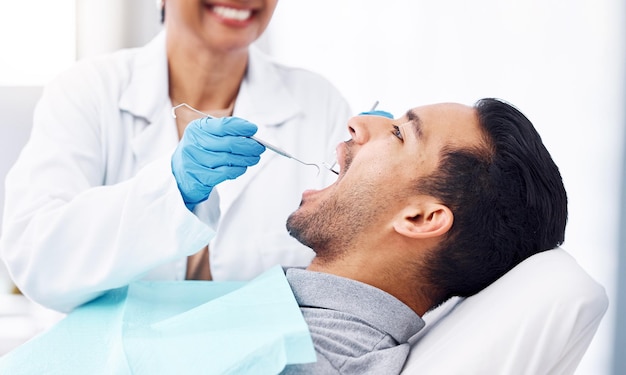
A dentist in Frankfort can evaluate the damage and recommend the most appropriate treatment. Even if the tooth does not hurt, internal damage may still be present.
Early treatment helps:
- Prevent infection
- Protect the remaining tooth structure.
- Reduce pain and sensitivity.
- Improve the chances of saving the tooth.
Prompt dental care is always recommended after a broken tooth.
Rinse Your Mouth Gently
When you clean the area, you remove debris and reduce the risk of irritation.
Steps that help include:
- Warm water rinse.
- Do not swirl vigorously.
- Clear of food debris.
- Keep the Injury site clean.
This easy step protects the mouth until professional care can be accessed.
Save Any Broken Pieces
If pieces of the tooth can be found, keep them in a safe container.
Possible storage options include:
- Milk
- Saline solution
- Clean the container with a small amount of water.
Bring the pieces to the dental appointment. In some cases, they may help with restoration options.
Reduce Swelling and Discomfort
Swelling may occur after dental trauma.
To help manage swelling:
- Apply a cold compress to the outside of the face
- Use the compress for 15–20 minutes at a time
- Rest and avoid strenuous activity.
Cold therapy can help reduce inflammation and improve comfort.
Protect the Tooth From Further Damage
A broken tooth is often more fragile than before.
Until treatment is received:
- Avoid chewing on the affected side.
- Stay away from hard foods.
- Avoid sticky candies or gum.
- Be careful when brushing around the area.
These precautions help prevent the damage from becoming worse.
What Happens During Broken Tooth Treatment?
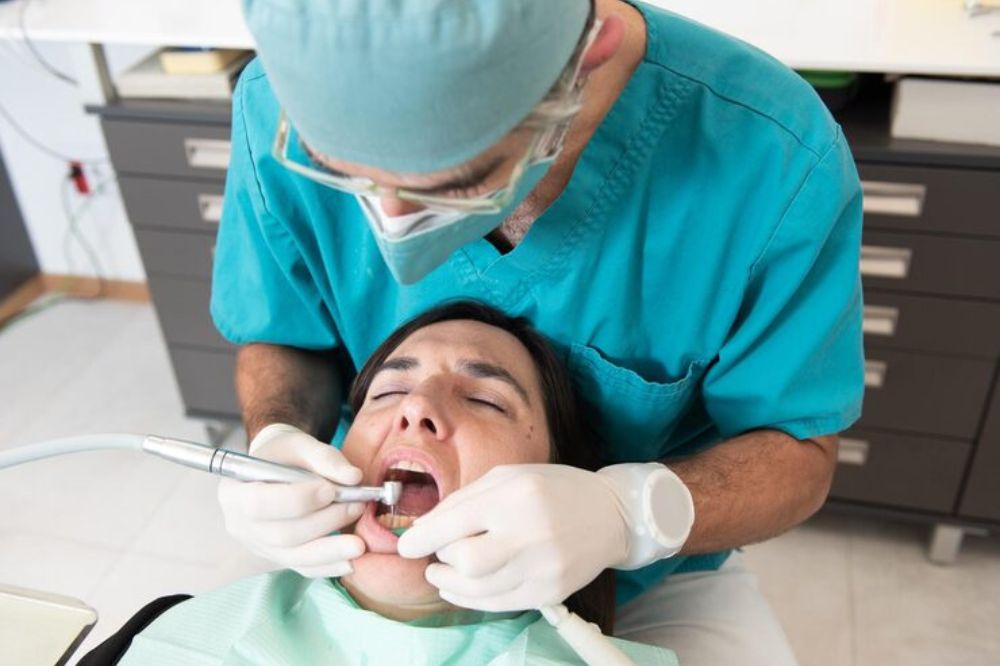
If you are looking for broken tooth treatment near you,understanding what to expect during treatment can help you feel more comfortable and prepared for your visit.
The recommended treatment depends on the severity of the damage.
Possible options may include:
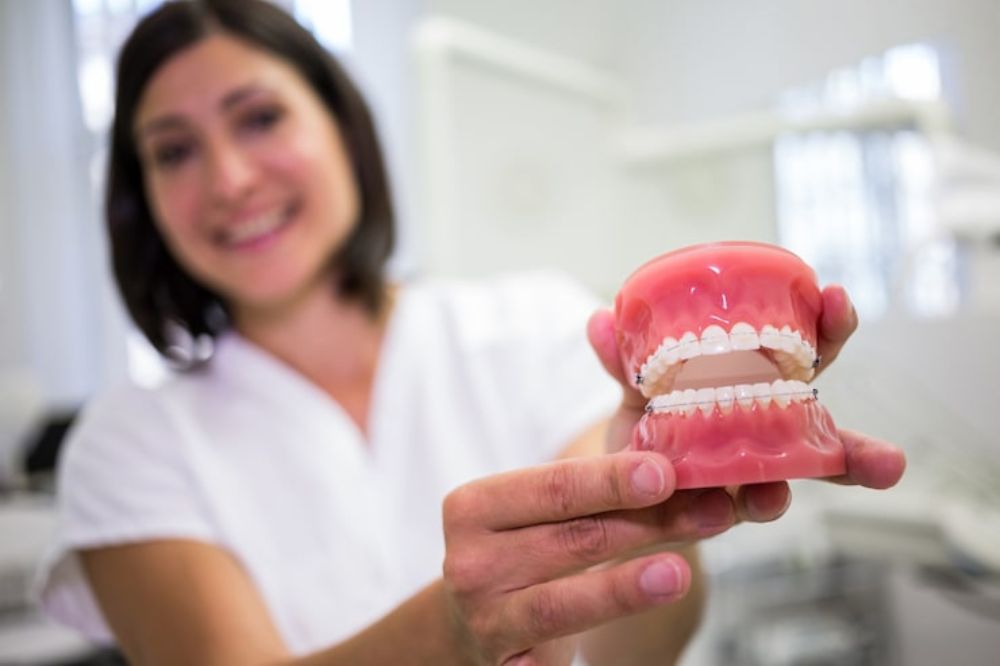
- Dental Bonding: Used for small chips and minor damage.
- Dental Crowns: Protect and strengthen larger damaged areas.
- Root Canal Therapy: Needed if the inner part of the tooth becomes injured or infected.
- Tooth Extraction: Recommended only when the tooth cannot be saved.
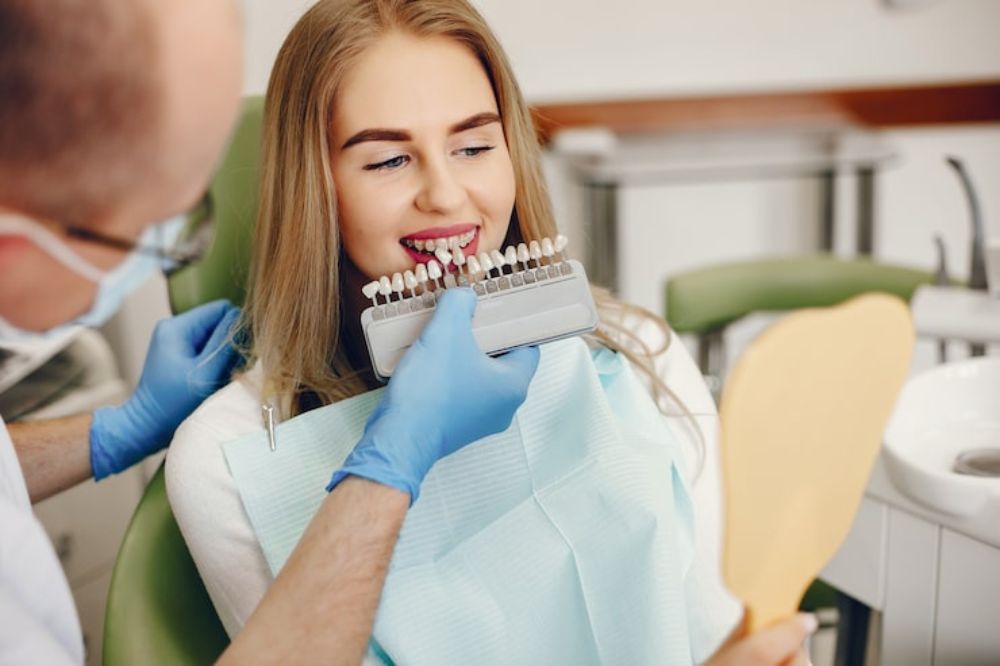
A dental examination helps determine the best course of action.
Signs You Need Immediate Emergency Care
Some signs mean you should get dental care right away.
Seek immediate treatment if you have:
- Severe tooth pain
- Heavy bleeding
- Swelling in your face or gums
- Signs of an infection, such as pus or fever
- Trouble opening your mouth
These symptoms may be a sign of a serious dental problem that needs urgent attention.
Why Quick Treatment Matters
If you have broken a tooth, getting care from a dentist near you as soon as possible can help relieve discomfort and prevent further damage. Early treatment may also reduce the need for more complex dental procedures later.
Getting care early can help:
- Protect the tooth from further damage.
- Lower the chance of infection.
- Reduce pain and discomfort.
- Support a quicker recovery.
- Increase the chances of saving the tooth.
Getting treatment as soon as possible can help achieve the best results.
How to Prevent Future Tooth Injuries
While accidents cannot always be avoided, some precautions can lower the risk.
Helpful prevention tips include:
- Wear a mouthguard during sports.
- Avoid chewing ice
- Do not use teeth to open packages.
- Address teeth grinding issues.
- Maintain regular dental checkups.
Protecting teeth helps reduce the risk of fractures and cracks.
Don’t Wait – Address a Broken Tooth Before It Gets Worse!
Acting quickly after breaking a tooth can help reduce discomfort, protect the tooth, and improve treatment outcomes. Simple steps taken immediately after the injury can make a significant difference in preserving oral health. For prompt dental care and professional treatment guidance, contact Snow Family Dental today and schedule an appointment.
FAQs
Is a broken tooth always painful?
Not always. Some broken teeth cause little pain, but hidden damage may still be present.
Can a broken tooth heal on its own?
No. A broken tooth will not heal on its own and usually requires professional treatment.
What foods should be avoided after breaking a tooth?
Hard, crunchy, sticky, or very hot and cold foods should be avoided until treatment is completed.
How quickly should treatment be received?
Dental care should be sought as soon as possible to reduce the risk of complications and further damage.